Browse by visual theme
Use the themed routes below when you want mountain imagery, ancient-world work, symbolic pieces, or Tucson-era studio traces instead of a single long image grid.
Artwork guide
Some visitors arrive for a single image. Some want free downloads. Some want the bigger story behind the artwork. This page gives those readers a clean route into the gallery, downloads, works catalog, timeline, places, and research pages without making them guess where to start.
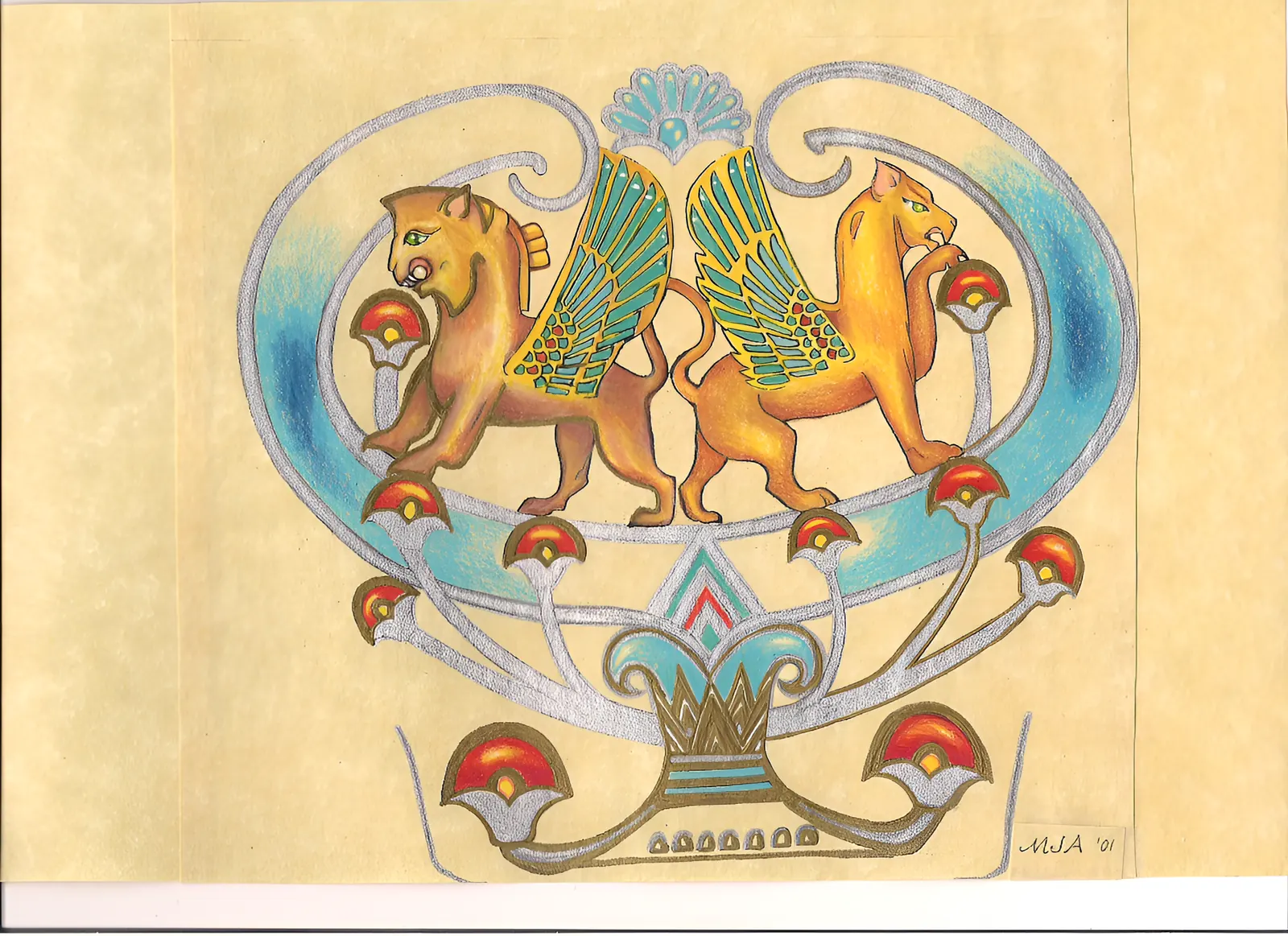
Use the themed routes below when you want mountain imagery, ancient-world work, symbolic pieces, or Tucson-era studio traces instead of a single long image grid.
The strongest path is usually image first, then catalog, timeline, place, and writings. This guide keeps that path visible on one page.
The point is not to flatten the art into keywords. The point is to help real visitors find the right part of the tribute faster.
Visual Paths
These paths use themes already visible in the public record so the page stays honest, useful, and easy to follow.
Southwest and desert art
Start here for Monument Valley, Four Peaks, Mt. Graham, Mt. Lemmon, Taos, Tucson, and the studio-era work that keeps place at the center.
Ancient worlds and restoration
Use this route for Izapa, Maya subjects, Egypt, Teotihuacan, Nimrud, and the pages where the visual work meets ancient-world study and restoration.
Symbolic and sacred art
Go this way for works and pages that stay close to sacred imagery, symbolic reading, Madonna and resurrection themes, St. George, astronomy, and interpretive art history.
Studio and public traces
This route is for readers trying to match a piece to a title, year, medium note, blog trace, or the public MJA Studio record.
Named works supported by the public record
These named anchors already recur in the catalog, timeline, Tucson / MJA Studio trail, or archaeology pages. They give visitors a more specific way into the visual archive without inventing titles for pieces the public record does not clearly name.
Best when a visitor remembers Tucson-era work, a named bird image, or the outside web trace tied to the studio record. Caption-backed anchor: 1982 with a July 26, 2008 third-party web trace.
Best when the entry point is archaeology, restoration, ancient-world imagery, or the MJA Studio reconstruction trail. Caption-backed anchor: MJA Studio 1986 reconstruction work tied to Izapa.
Best when the visitor remembers Southwest mountain imagery, a thunderbird title, or a place-led visual memory. Caption-backed anchor: 1973 acrylic, Mt. Graham, Southwest visionary image.
Best when someone remembers public-facing Tucson design work instead of a purely gallery-style studio piece. Caption-backed anchor: 1975 acrylic designs tied to Tucson.
Best for sacred-image, resurrection, or symbolic-reading searches that need a named work to start from. Caption-backed anchor: 1977 foil collage with a resurrection theme.
Best when place memory comes first and the visitor needs the later MJA Studio Southwest trail, not a single isolated image. Caption-backed anchor: MJA Studio 1995, handcut transparent acetate, Monument Valley.
Strongest Art Entry Pages
This keeps visitors from bouncing between pages that look similar but do different jobs.
Best when you want to browse the visual record first and open larger views.
Open galleryBest when you want larger public files where they are available and direct downloads matter most.
Open downloadsBest when you want titles, year markers, media notes, and a more indexed way to identify a work.
Open works catalogBest when your question is about era, sequence, or how the visible work stretches across decades.
Open timelineBest when you are following Tucson, Four Peaks, Monument Valley, Taos, or other recurring geographies.
Explore placesBest for first-time readers who want the art, writings, and archive structure explained from one place.
Open the guideIf you came for one image
After the gallery or downloads page, the best next steps are usually the works catalog for names, the timeline for era, the places page for geography, and the writings pages for the larger symbolic or historical threads.
If you need help identifying a piece
Check the catalog, timeline, Tucson / MJA Studio page, and source pages first. If the piece still does not line up cleanly, the contact page is the right place to ask for context or clarification.
Keep discovery moving
Visitors who arrive through images often still want the larger archive once they understand what they are looking at. Keep the topics, writings, and research archive one click away.