This thread works by recurrence.
Maya, Tulum, Coba, calendars, and old-site imagery keep looping until the project feels like a system.
Research feature
It gives a stable home to the preserved Plumed Conch blog thread, where Mary Alice Bennett gathered Maya, Teotihuacan, Tulum, Chichen Itza, round-calendar, and wider ancient-Americas material into a distinct visual research world.
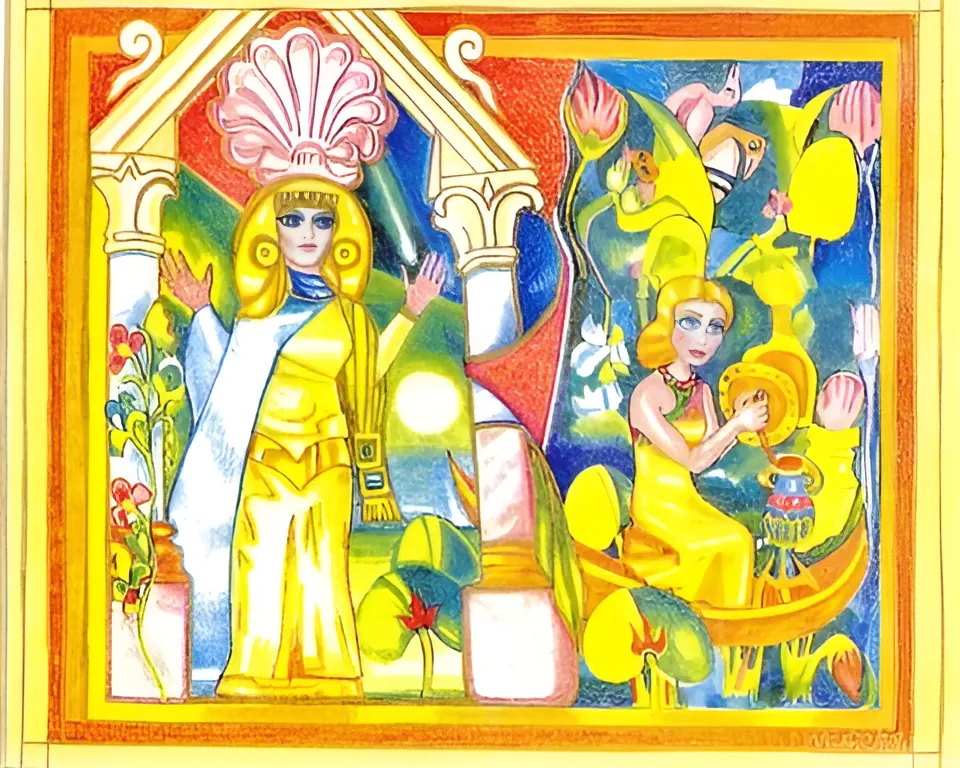
Find this thread by topic
The Plumed Conch thread connects ancient-world research, geographic reading, and the artwork/archive side of the site.
Ancient-Americas feature
The Plumed Conch is one of the archive’s strongest recurring threads. It keeps returning to Mesoamerican places and image problems, which gives the page a clear focus without losing detail.
Maya, Tulum, Coba, calendars, and old-site imagery keep looping until the project feels like a system.
That movement gives the thread scale and prevents it from reading like abstract symbolism only.
This thread rewards visitors who want to follow the wider Maya and ancient-Americas material across the site.
Record and Context
The surviving posts are enough to show not just a title, but a consistent way of organizing images, sites, and comparative reading across the ancient world.
The January 30, 2012 Chichen Itza post preserves mural-based interpretation, site imagery, and a clear Yucatan anchor inside the project world.
Archive anchor: anchored to the preserved January 30, 2012 Chichen Itza post and linked back into Places so the Yucatan thread is visible as geography, not only as theme.
The February 27, 2012 round-calendars post ties Copan, round altars, zodiac diagrams, textiles, and calendar imagery together in one explicitly Maya-centered cluster.
Archive anchor: anchored to the preserved February 27, 2012 Maya Region – Round Calendars post, which keeps Copan and calendar imagery tied together in the public record.
The October 24, 2011 Diving god post links Tulum, Coba, Chichen Itza, and Stela 2 at Izapa, which makes this blog an important bridge into the Izapa restoration thread already on site.
Archive anchor: anchored to the preserved October 24, 2011 The Diving god post, which explicitly bridges Tulum, Coba, Chichen Itza, and Izapa Stela 2.
The same archive also moves through Teotihuacan, Moche and Mimbres, Peru, Easter Island, and modern indigenous imagery, showing a wider comparative field rather than a single-site notebook.
Archive anchor: this block is anchored more broadly to the preserved Plumed Conch archive and its comparative ancient-Americas post range rather than one recovered single post URL.
Best for the full archive, profile connection, and visible year-by-year post history.
Open sourceBest for the preserved mural and site-imagery thread inside the project.
Open sourceBest for the calendar, Copan, and cosmology cluster.
Open sourceBest for the Tulum / Izapa crossover that ties this thread back to archaeology pages already here.
Open sourceBest for the connected restoration-art side of the archive.
Open archaeology pageBest for the bylined articles that overlap this ancient-world and Maya thread.
Open publications pageRelated pages
The page already rewards obsessive readers. These cues make that obsession legible: follow the site path into Izapa, the geography path into Places, or the publication path when article titles start echoing the project world.
The Maya, site, and recurrence marks are the related links that keep this thread feeling like a system.
Read this when the Diving god and Stela 2 links start pulling the page toward the stronger reconstruction thread.
Travel fieldGo here when the project wants to stay geographic and move through Tulum, Chichen Itza, Copan, and Teotihuacan as real locations.
Title bridgeUse the bibliography when you want to see where the ancient-world and Maya imagination crosses into bylined article work.
Why It Endures
Related pages
The Plumed Conch is best read as a project thread about image-led ancient-world interpretation. It sits between archaeology, bibliography, places, and the wider research-project guide.
Keep exploring
From here, the strongest next paths are archaeology and restoration, the bibliography page for overlapping articles, and the places map for Maya and ancient-Americas geography.